Key takeaways
- Germany offers the best balance of high salary and moderate living costs for welders in 2026.
- Poland provides the highest savings rate (50–60% of net salary) due to low cost of living.
- Certification in TIG or underwater welding significantly boosts earning potential across Europe.
- Visa sponsorship is increasingly available for non-EU welders, especially through EU Blue Card or national skilled worker schemes.
- Always verify job offers and visa requirements through official sources like EURES to avoid scams.
Quick Answer: Welder salary Europe in 2026 ranges widely, but the top-paying countries are Germany, Norway, Netherlands, Poland, and Switzerland. TIG and underwater welding specialists earn the highest, while general MIG welders in Germany net €2,500–€4,000/month after taxes. Poland offers the best balance of decent salary (€1,800–€2,500/month gross) and low living costs, making it ideal for saving quickly.
Why Welders Are in High Demand Across Europe in 2026
Europe's welding workforce is aging. Many skilled welders are retiring, and younger locals aren't entering the trade fast enough. This shortage is worsened by massive infrastructure projects — from wind farms in the North Sea to pipeline expansions in Eastern Europe — all requiring certified welders. The EU's Green Deal alone is expected to create hundreds of thousands of welding jobs in renewable energy, especially offshore wind and solar thermal.
Visa programs like the EU Blue Card and national skilled worker schemes now explicitly include welders. Germany and Poland have streamlined recognition of foreign welding certificates (ISO 9606, EN 287). English-language jobs are growing in multinational plants, particularly in the Netherlands and Poland. That's good news if you're a non-EU welder looking to relocate.
Top 5 Countries Where Welders Earn the Most in 2026
1. Germany – €3,500–€4,500/month gross (€20–€28/hour)
Germany is a powerhouse for automotive, industrial machinery, and pipeline welding. Certified TIG welders with ISO 9606 can earn up to €28/hour. Demand is highest in Bavaria, North Rhine-Westphalia, and Lower Saxony. Many employers offer relocation allowances and language courses.
2. Norway – €4,000–€5,500/month gross (€25–€34/hour)
Norway's oil and gas sector pays top dollar, especially for offshore and underwater welders. But rent in Oslo or Stavanger can eat up to €2,000/month. Even so, many welders come on short-term contracts to save €1,600–€2,000 net monthly.
3. Netherlands – €3,200–€4,200/month gross (€19–€26/hour)
The Netherlands is a hub for logistics and offshore welding. The Port of Rotterdam and shipbuilding companies hire English-speaking welders. Cost of living is moderate (rent €800–€1,200) compared to Norway, making it a solid choice for savings.
4. Poland – €1,800–€2,500/month gross (€10–€15/hour)
Poland's low cost of living (rent €500–€700, food and transport €300–€400) means you can save 50–60% of your net salary. Demand is high in construction and manufacturing. Wages are rising — by 2026, average gross for experienced welders is around €2,200.
5. Switzerland – €5,000–€6,500/month gross (€30–€40/hour)
Switzerland offers the highest hourly rates in Europe, but rent in Zurich or Geneva exceeds €2,000/month. Net savings potential is still good (€2,000–€2,500) if you live frugally. Work permits are quota-limited — employer sponsorship is mandatory.
Welder Salary Comparison Table 2026 (Monthly Gross & Net)
Data sources: Eurostat (2025), national statistics offices, Numbeo (2026 estimates). Last verified: July 2026. Figures are indicative and change — confirm with official sources.
| Country | Average Gross (€) | Average Net (€) | Cost of Living (€) | Net Savings (€) |
|---|---|---|---|---|
| Germany | 4,000 | 3,000 | 1,200 | 1,800 |
| Poland | 2,200 | 1,800 | 800 | 1,000 |
| Norway | 4,800 | 3,600 | 2,000 | 1,600 |
| Switzerland | 5,800 | 4,500 | 2,500 | 2,000 |
| Netherlands | 3,800 | 2,900 | 1,400 | 1,500 |
Note: Cost of living includes rent, food, transport, utilities, and health insurance (where applicable). Net savings assume a single person living modestly. These are estimates — actual figures vary by city and lifestyle.

Earning Potential by Welding Specialization (TIG, MIG, Underwater)
Not all welders earn the same. Specialization significantly boosts income.
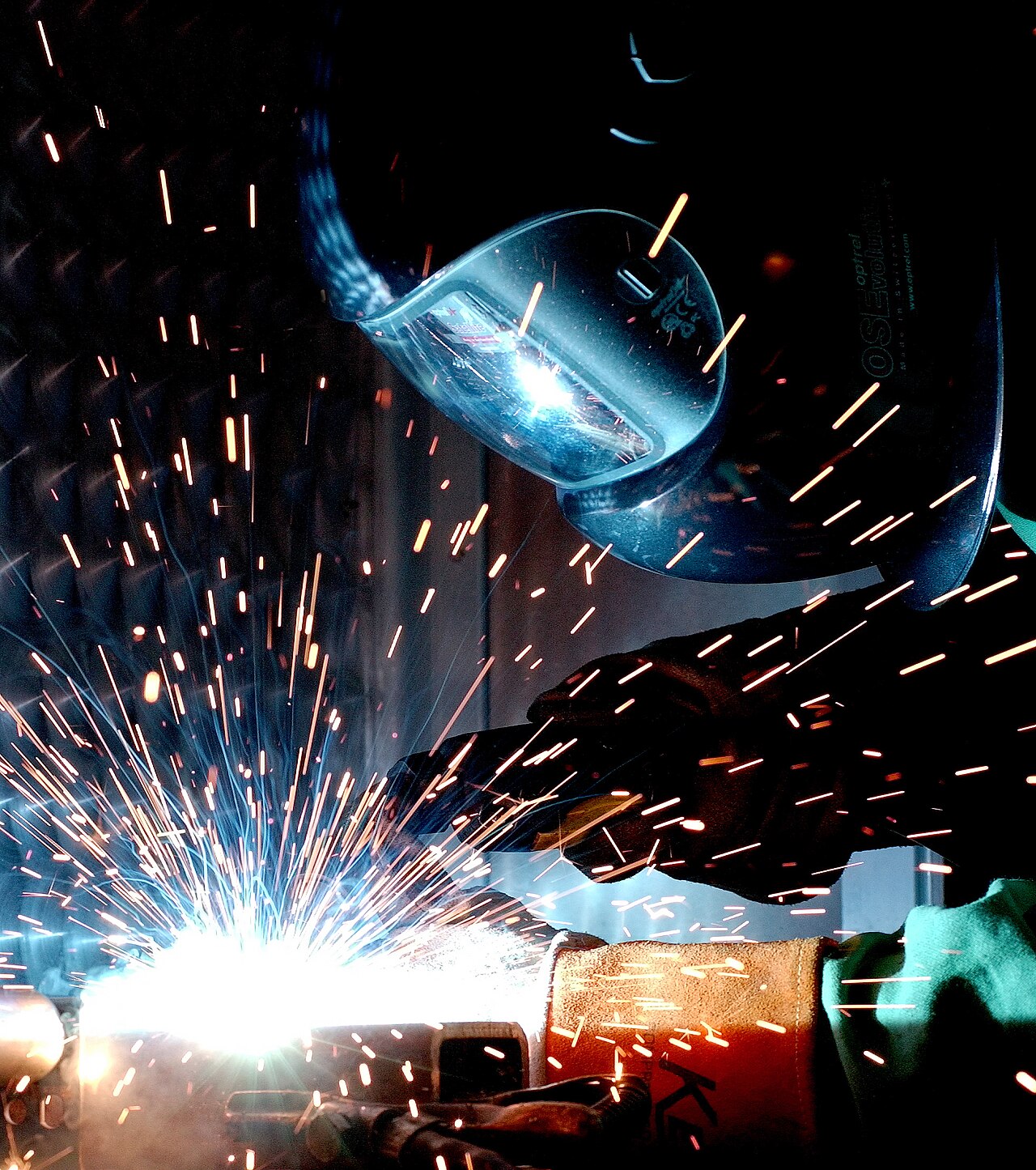
- TIG welders (tungsten inert gas) command 15–25% more than MIG welders because of the precision needed for thin materials and critical joints. In Germany, a certified TIG welder can earn €27–€35/hour.
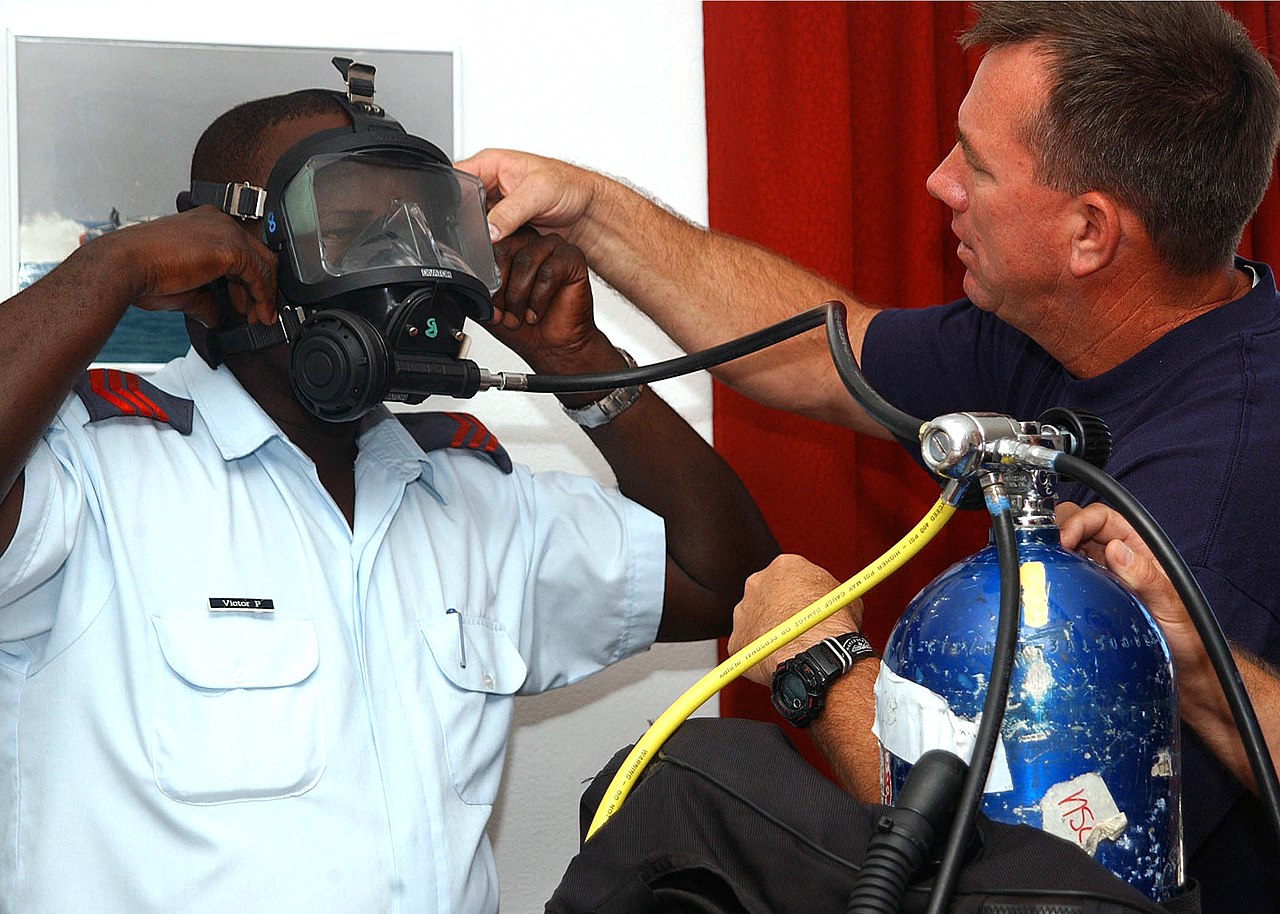
- Underwater welders in Norway and the Netherlands are among the highest-paid, with monthly gross of €6,000–€8,000. This requires commercial diving certification plus welding skills — a rare combination.
- Pipeline welders in Germany and Poland are often paid per meter of weld. Top performers can earn €5,000/month or more.
- Certification matters. Having ISO 9606 (welder qualification) or EN 287 (steel) can boost pay by 20–30%. Many employers pay for certification if you sign a contract.
Cost of Living Breakdown for Welders in Top Countries
Your net savings depend heavily on where you live. Here's a realistic monthly breakdown for a single welder:
- Rent: Poland (€500–€700), Germany (€800–€1,200), Netherlands (€800–€1,200), Norway (€1,500–€2,000), Switzerland (€2,000+).
- Food & Groceries: Poland €200–€300, Germany €300–€400, Netherlands €350–€450, Norway €500–€600, Switzerland €600–€700.
- Transport: Public transport pass or car maintenance: Poland €50–€100, Germany €80–€150, Netherlands €100–€150, Norway €100–€150, Switzerland €150–€200.
- Health Insurance: In most EU countries, social contributions cover health insurance (deducted from gross). In Switzerland, you must buy private insurance (€200–€400/month).
- Total Monthly Cost: Poland €800–€1,100, Germany €1,200–€1,800, Netherlands €1,400–€1,800, Norway €2,000–€2,800, Switzerland €2,800–€3,500.
Savings Potential: Poland 50–60%, Germany 40–50%, Netherlands 35–45%, Norway 30–40%, Switzerland 25–35%.
How to Get a Welder Visa in Europe in 2026
Non-EU welders have several pathways. Requirements change, so always check official embassy websites.
- Germany: EU Blue Card – Requires a job offer with salary ≥€3,800/month (as of 2026). Your welding certificate must be recognized by the German Chamber of Commerce (IHK).
- Poland: Type D National Visa – No salary threshold, but employer must prove no local candidate is available. You can apply for temporary residence after 6 months.
- Netherlands: Highly Skilled Migrant – For certified welders with a contract from a recognized sponsor (e.g., major shipbuilding firms). Salary threshold for welders (under 30) is lower than for graduates.
- Norway: Skilled Worker Visa – Requires Norwegian language skills (A1) within 3 years for permanent residence. Your employer must pay above the norm for the trade.
- Switzerland: Work Permit (L or B) – Subject to quota. Employer sponsorship is mandatory. Priority is given to EU citizens, but non-EU welders with rare skills can get permits.
Warning — Recruitment Scams: Never pay a fee to a recruiter or agent for a job offer. Legitimate employers cover visa and relocation costs. Always verify the company's existence through official channels. The European Job Mobility Portal (EURES) is a safe starting point.
Where to Find Welder Jobs in Europe (2026 Recruitment Platforms)
Start your job search on these platforms — most list English-speaking positions:
- EURES (European Job Days): Official EU portal with verified employers. Good for Germany, Poland, and Netherlands.
- LinkedIn & Indeed: Excellent for Germany and Netherlands. Filter by 'visa sponsorship'.
- Local recruitment agencies: Randstad (Netherlands), Manpower (Poland), Adecco (Germany). They often handle work permits for foreign workers.
- Industry-specific job boards: Oil & Gas People (Norway), Offshore Energy Today (Netherlands), and ShipbuildingJobs.com (Germany/Poland).
- Facebook groups: ‘Welders in Europe’, ‘Skilled Workers Germany’ – but treat offers with caution.
Frequently Asked Questions About Welder Salaries in Europe
Which European country pays welders the most?
Switzerland pays the highest gross salary (€5,000–€6,500), but after high living costs, net savings are about €2,000/month. Germany and Norway offer better net savings relative to cost of living.
Is it easy to get a welder job in Europe as a foreigner?
Yes, especially in Germany and Poland. The demand is high, and employers are increasingly willing to sponsor visas. Having certification (ISO 9606) and relevant experience greatly improves your chances.
Do I need to speak the local language?
In Germany and Norway, A2/B1 level is often required within the first year. In Poland and the Netherlands, English is acceptable in many factories, but learning basics helps integration.
What is the average welder salary in Europe per hour in 2026?
Hourly rates range from €10 (Poland) to €40 (Switzerland). The EU average for a certified welder is around €18–€25/hour.
How much can an underwater welder earn in Europe?
Underwater welders in Norway and Netherlands can earn €6,000–€8,000 monthly gross, often with additional per-diem allowances offshore.
Last updated: July 2026. Wages, living costs, and visa rules change. Always verify with official sources and the relevant embassy.
Frequently asked questions
Which European country pays welders the most?
Switzerland pays the highest gross salary (€5,000–€6,500), but after high living costs, net savings are about €2,000/month. Germany and Norway offer better net savings relative to cost of living.
Is it easy to get a welder job in Europe as a foreigner?
Yes, especially in Germany and Poland. The demand is high, and employers are increasingly willing to sponsor visas. Having certification (ISO 9606) and relevant experience greatly improves your chances.
Do I need to speak the local language?
In Germany and Norway, A2/B1 level is often required within the first year. In Poland and the Netherlands, English is acceptable in many factories, but learning basics helps integration.
What is the average welder salary in Europe per hour in 2026?
Hourly rates range from €10 (Poland) to €40 (Switzerland). The EU average for a certified welder is around €18–€25/hour.
How much can an underwater welder earn in Europe?
Underwater welders in Norway and Netherlands can earn €6,000–€8,000 monthly gross, often with additional per-diem allowances offshore.